

The Thrill of Risk and Reward
The psychology behind casino gambling behavior is deeply intertwined with the thrill associated with risk-taking. Many gamblers find an exhilarating rush in the uncertainty of games of chance, where outcomes are unpredictable. This thrill can release dopamine, a neurotransmitter linked to pleasure and reward, making the experience captivating. As players engage in gambling activities, they often chase the emotional high that accompanies both winning and losing, solidifying a cycle of behavior that can be hard to break. Furthermore, for those interested in related topics, bitcoin casinos usa provide a fascinating glimpse into modern gambling trends.
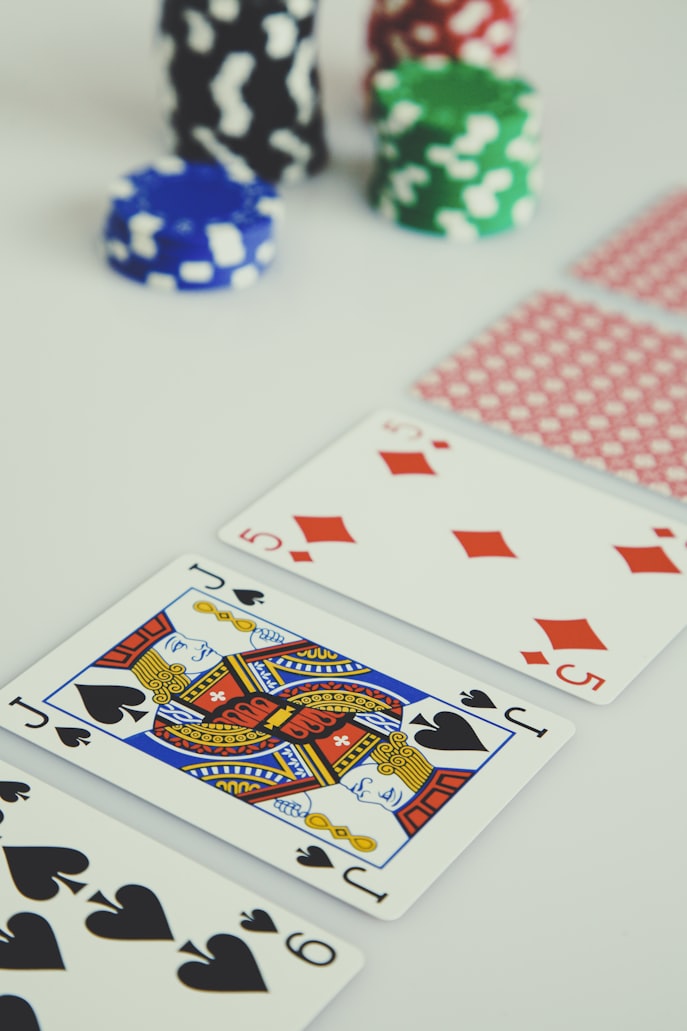
Moreover, this excitement can create a sense of escapism. Many gamblers use casinos as a refuge from daily stressors, welcoming the distraction and the chance to immerse themselves in a world where their everyday problems seem to fade away. This desire for escapism can lead to prolonged gambling sessions, reinforcing the psychological ties between pleasure-seeking behavior and casino environments.
The Role of Cognitive Biases
Cognitive biases significantly shape how individuals approach gambling. One common bias, known as the “gambler’s fallacy,” leads players to believe that past outcomes influence future results. For instance, a player may think that a slot machine is “due” for a payout after a series of losses. This misconception fuels continued play, as gamblers may ignore the inherent randomness of games. Understanding these biases is crucial, as they can skew perception and affect decision-making.
Additionally, the illusion of control is another cognitive bias that affects gamblers. Many players believe they can influence outcomes through their skill or strategies, particularly in games like poker or blackjack. This false sense of control can encourage further gambling, as players feel empowered, leading them to wager more than they might have otherwise. Such biases ultimately contribute to the persistence of gambling behavior.
The Social Aspects of Gambling
Gambling is often a social activity, with many players enjoying the camaraderie that comes from sharing experiences with others. Social dynamics can heavily influence gambling behavior, as individuals may be more likely to gamble in groups or participate because their friends are involved. This social pressure can amplify the thrill associated with gambling, making it more appealing.
Furthermore, casinos often cultivate an environment that promotes social interaction. Through features like communal gaming tables and entertainment offerings, they create a vibrant atmosphere that encourages patrons to linger and engage with each other. This social aspect can lead to increased gambling frequency, as players are drawn into the communal experience and the shared excitement it generates.
Addiction and Its Psychological Implications
Gambling addiction is a serious psychological condition that affects many individuals. The compulsive need to gamble, despite negative consequences, can be driven by various psychological factors, including underlying mental health issues such as anxiety or depression. For many, gambling becomes a coping mechanism, a way to escape emotional pain or distress, leading to a cycle that is difficult to break.
Understanding the psychological implications of gambling addiction is essential for prevention and treatment. Therapeutic approaches often include cognitive-behavioral therapy, which helps individuals recognize harmful thought patterns and replace them with healthier behaviors. By addressing the root psychological causes of gambling addiction, individuals can begin to regain control over their behaviors and make more informed choices regarding their gambling habits.

Conclusion and Resource Exploration
In conclusion, the psychology behind casino gambling behavior is complex, involving a mix of thrill, cognitive biases, social influences, and the potential for addiction. By exploring these facets, individuals can gain a deeper understanding of their own gambling behaviors and motivations. It is essential for both gamblers and those concerned about them to be aware of these psychological aspects, as they provide crucial insights into the nature of gambling.
For those seeking to delve deeper into the historical and cultural aspects surrounding gambling, platforms like Ancient-Egypt.org provide a wealth of resources. While primarily focused on ancient history, understanding how different cultures viewed chance and luck can enrich one’s perspective on modern gambling behaviors as well. Engaging with such resources can offer a broader context for the psychology of gambling.